Power over Fiber (PoF) delivers data and DC power to PON endpoints over a single optical-electric composite cable. UGrid's PoF system pairs the SP-POF power splitter — which splits the optical signal and injects 54 V DC power — with the uAPAX30H, a Wi-Fi 6 ceiling access point powered entirely over the fiber drop, so ONUs, MDUs and APs can be installed where no local power outlet is available — with an extended reach of up to 1,000 m (3,280 ft) on the powered cable, ten times the 100 m limit of PoE.
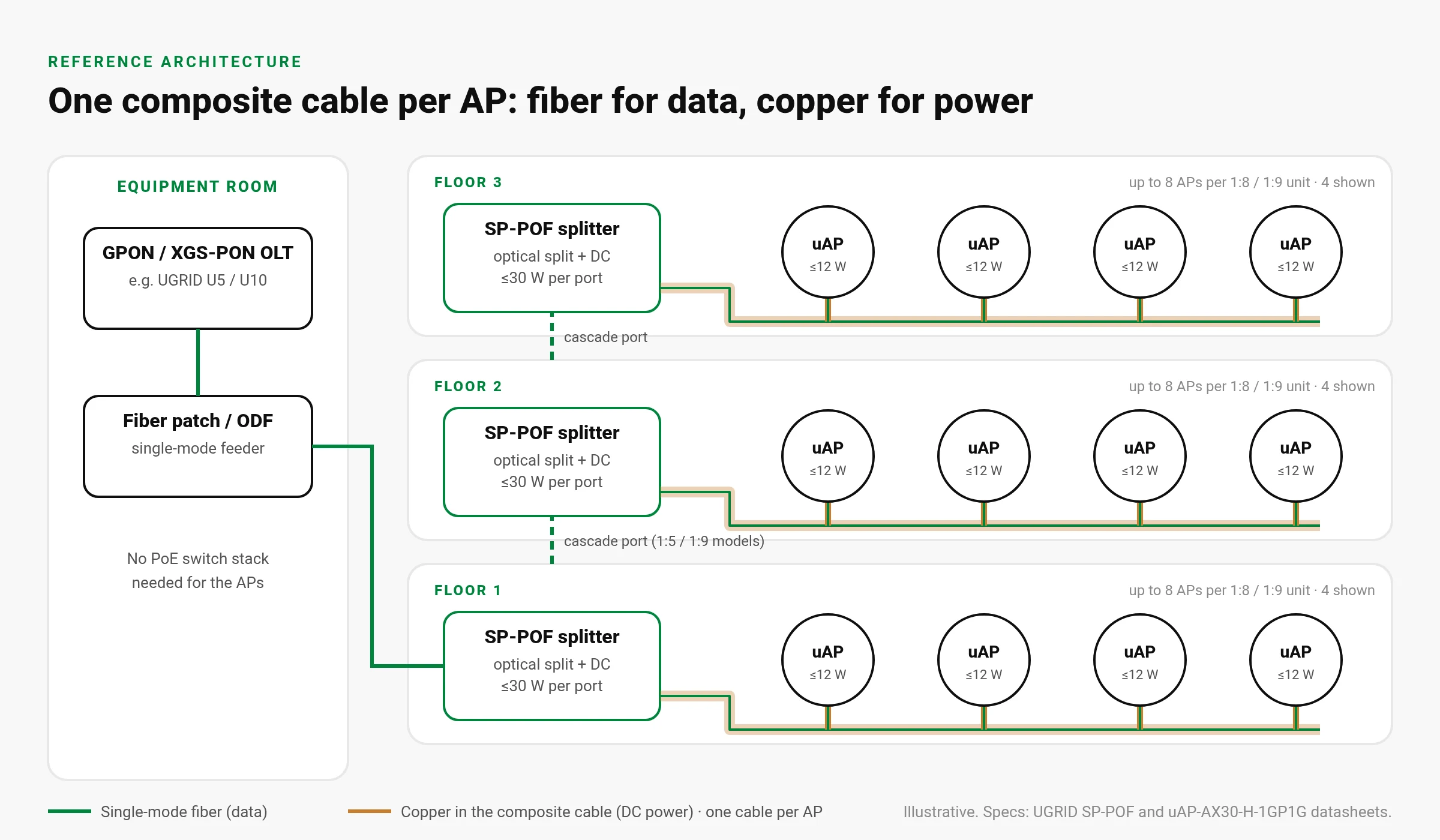
From the OLT, everything stays an ordinary PON. Fiber runs from the OLT through the optical distribution network (ODN) — up to 20 km — with no power injected and nothing to change in the existing plant. PoF starts inside the building, over the last stretch: the SP-POF splitter takes the feed from the optical splitter, divides the optical signal and adds 54 V DC power from its own adaptor. One composite cable then runs to each endpoint — a uAPAX30H ceiling AP, an ONU or an MDU — carrying data and power together, with an extended reach of up to 1,000 m (3,280 ft) on the powered stretch. On the 1×5 and 1×9 models, a cascade port feeds the next floor's splitter. The engineering background is in our Power over Fiber guide.
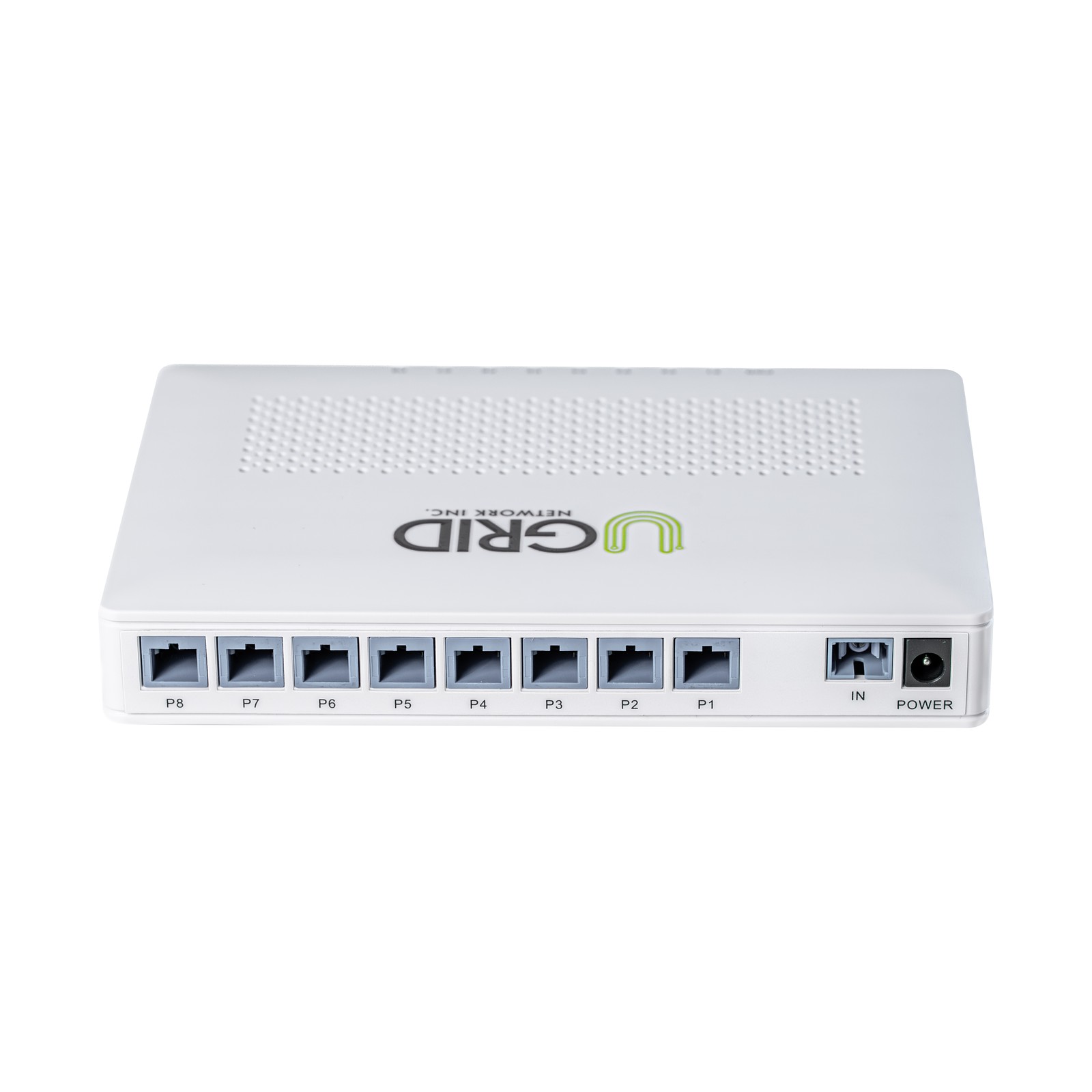
Optical splitting and remote power supply in one compact unit: 4 or 8 powered outputs at about 30 W each, 54 V DC output compatible with IEEE 802.3af/at devices, powered reach up to 1,000 m (3,280 ft), plus a cascade port on 1×5 / 1×9 models. 180 × 120 × 26 mm, desktop or wall mounted.
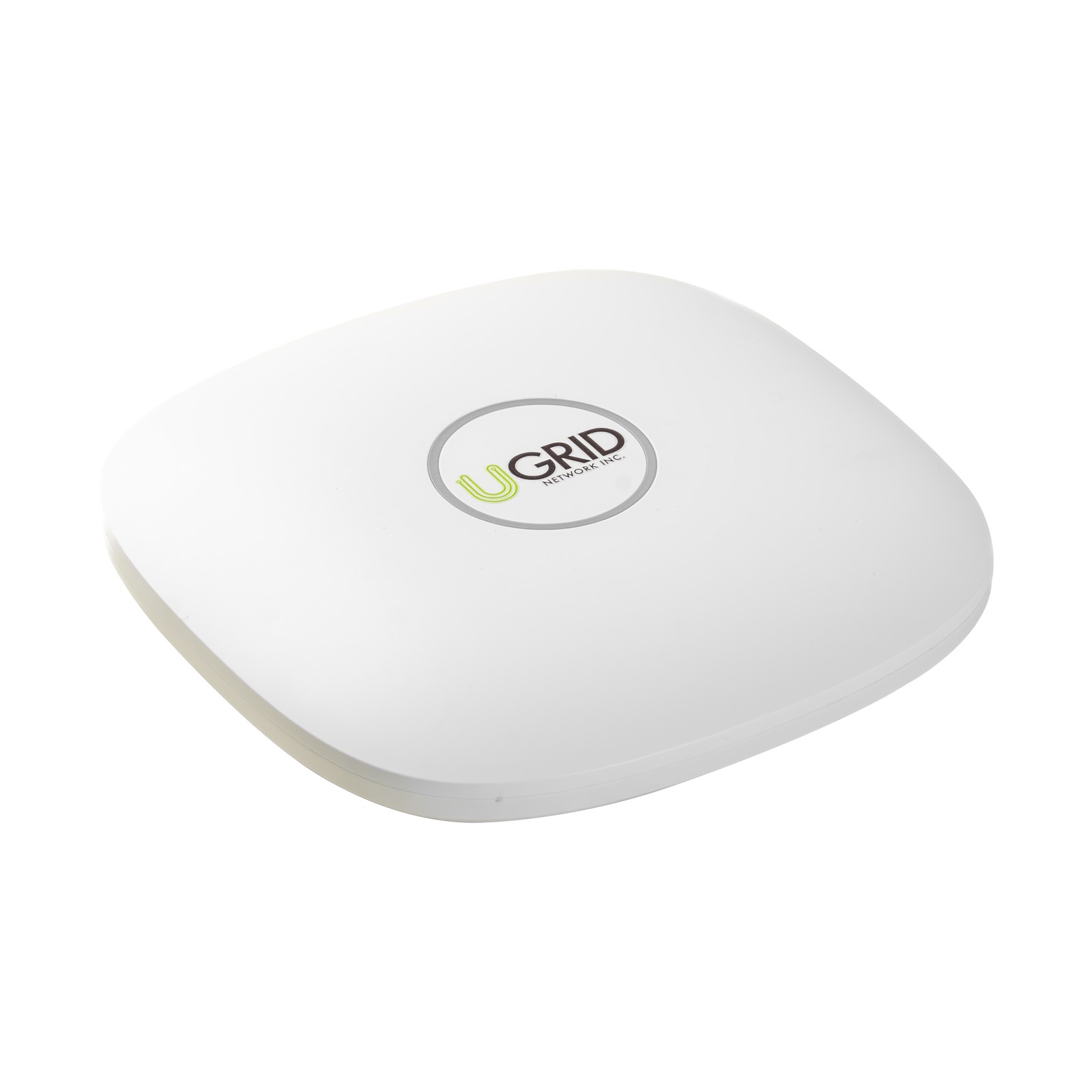
View SP-POF →Dual-mode XPON (GPON / EPON) ceiling access point powered over the fiber drop: Wi-Fi 6 AX3000 2x2 MIMO and up to 256 clients, plus one Gigabit Ethernet port. 195 × 195 × 35 mm · consumes ≤18 W.
View uAPAX30H →The composite cable holds fiber for data and copper conductors for DC power, so a ceiling AP or ONU needs no local outlet and no second cable run.
The SP-POF combines the optical splitter and the power supply in a single compact box per floor, with built-in voltage and current protection.
54 V DC output compatible with IEEE 802.3af/at powered devices, at about 30 W per port — enough for Wi-Fi 6 APs, ONUs and MDUs.
Up to 1,000 m (3,280 ft) of powered composite cable — ten times PoE's 100 m ceiling — so APs can sit up to 1,000 m from the telecom room, across campuses, hotels and large buildings.
Wi-Fi 6 coverage for lobbies and dining areas from a low-profile ceiling AP, powered over the fiber drop.
MU-MIMO and OFDMA for dense classrooms, with up to 256 connected devices per AP.
Ceiling-mount Wi-Fi 6 plus a Gigabit port for wired devices, without chasing power outlets.
Power ONUs and MDUs that are difficult to power, and clear the cabling clutter at the same time.
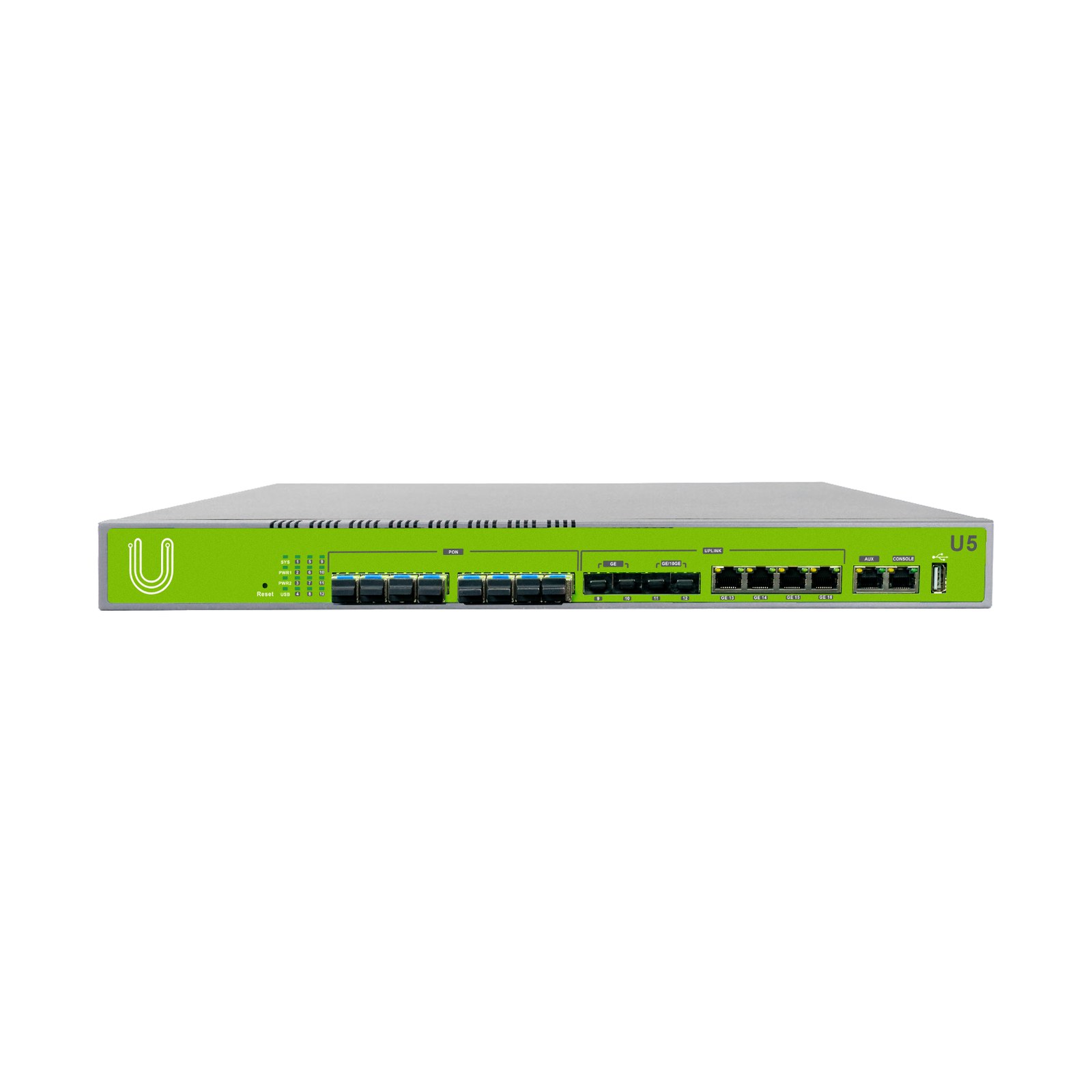
The equipment room stays a standard PON design — OLT and fiber patch / ODF. On each floor, an SP-POF splitter feeds up to eight uAPAX30H access points on 1:8 / 1:9 units, one composite cable per AP: fiber for data, copper for power, up to 1,000 m (3,280 ft) per run — and no PoE switch stack is needed for the APs.
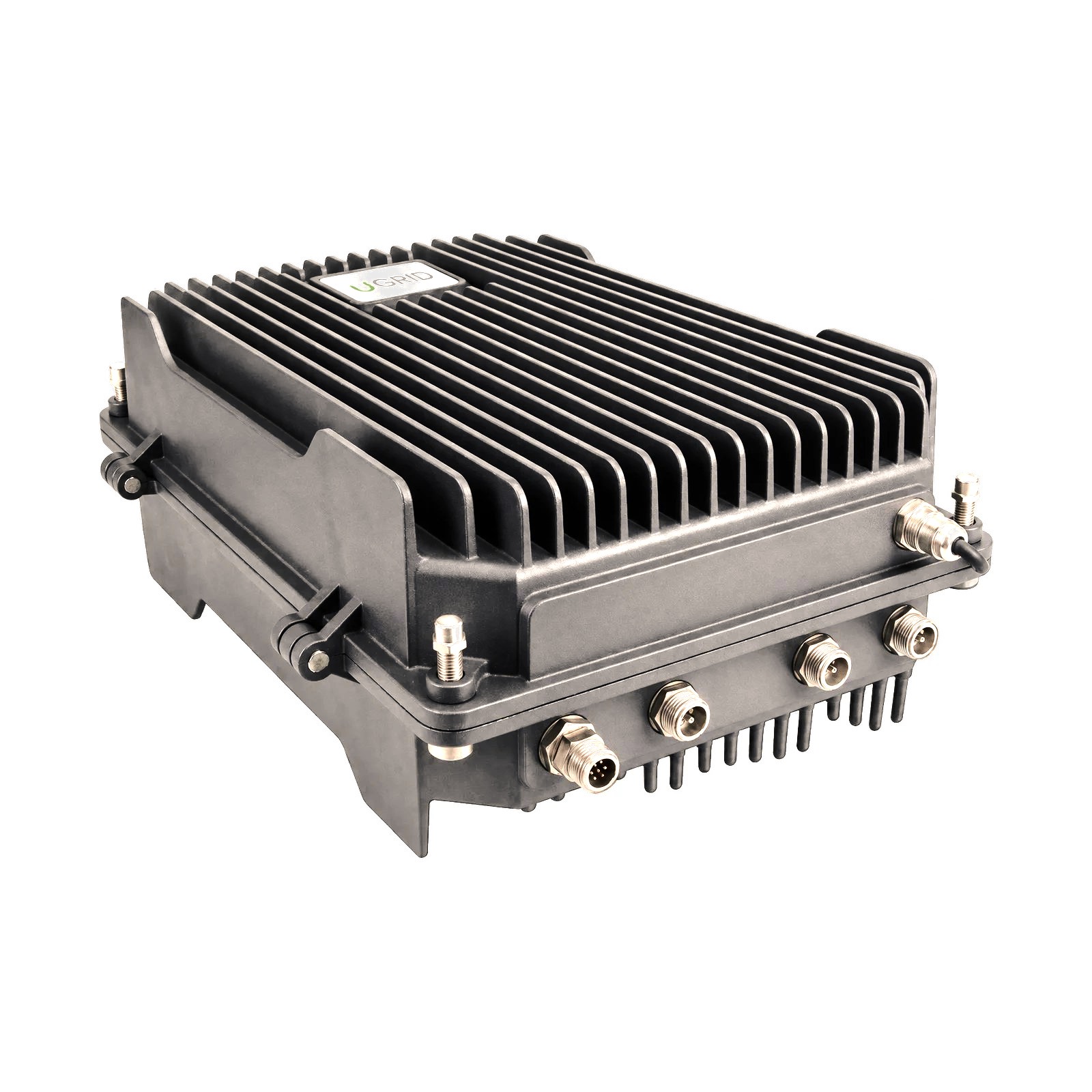
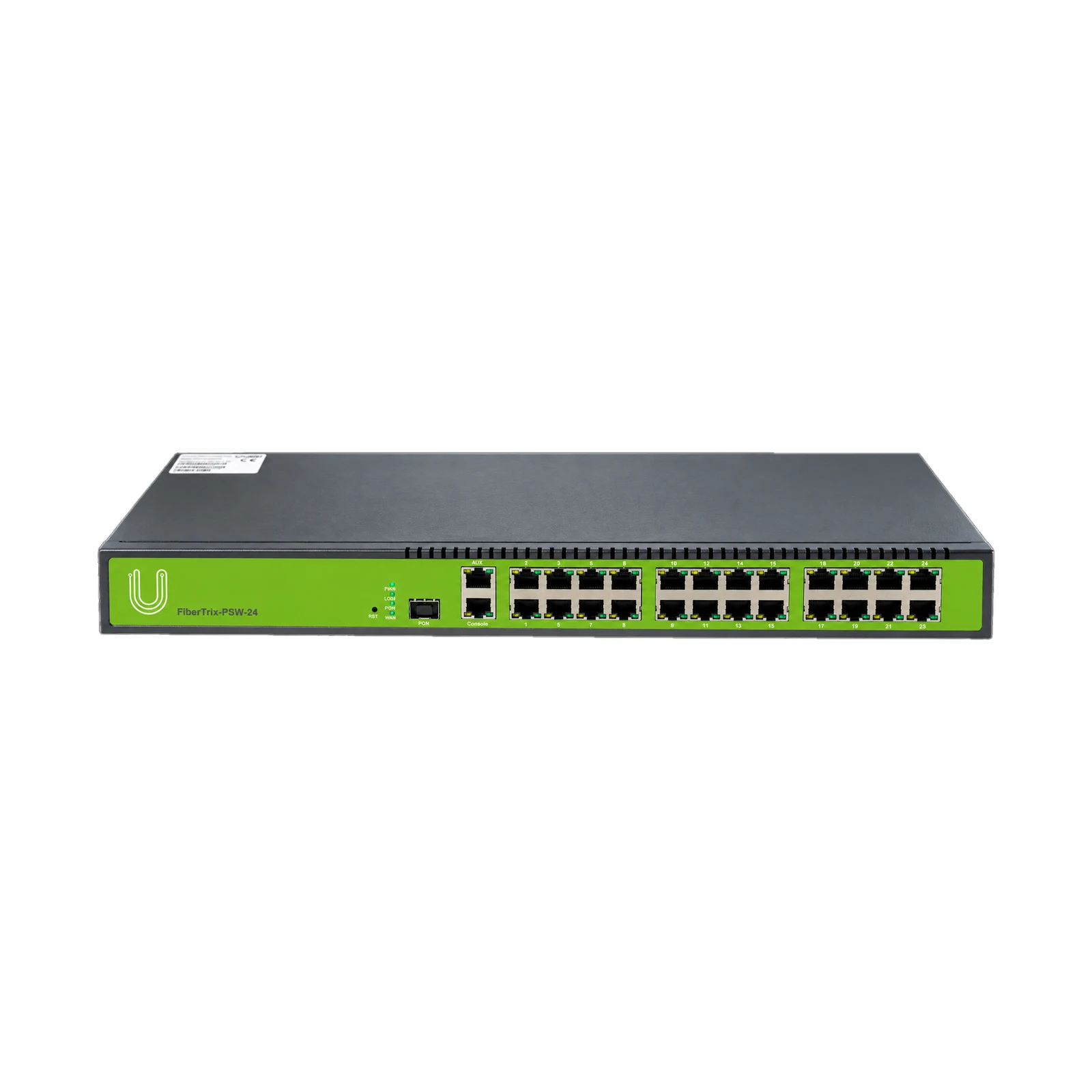
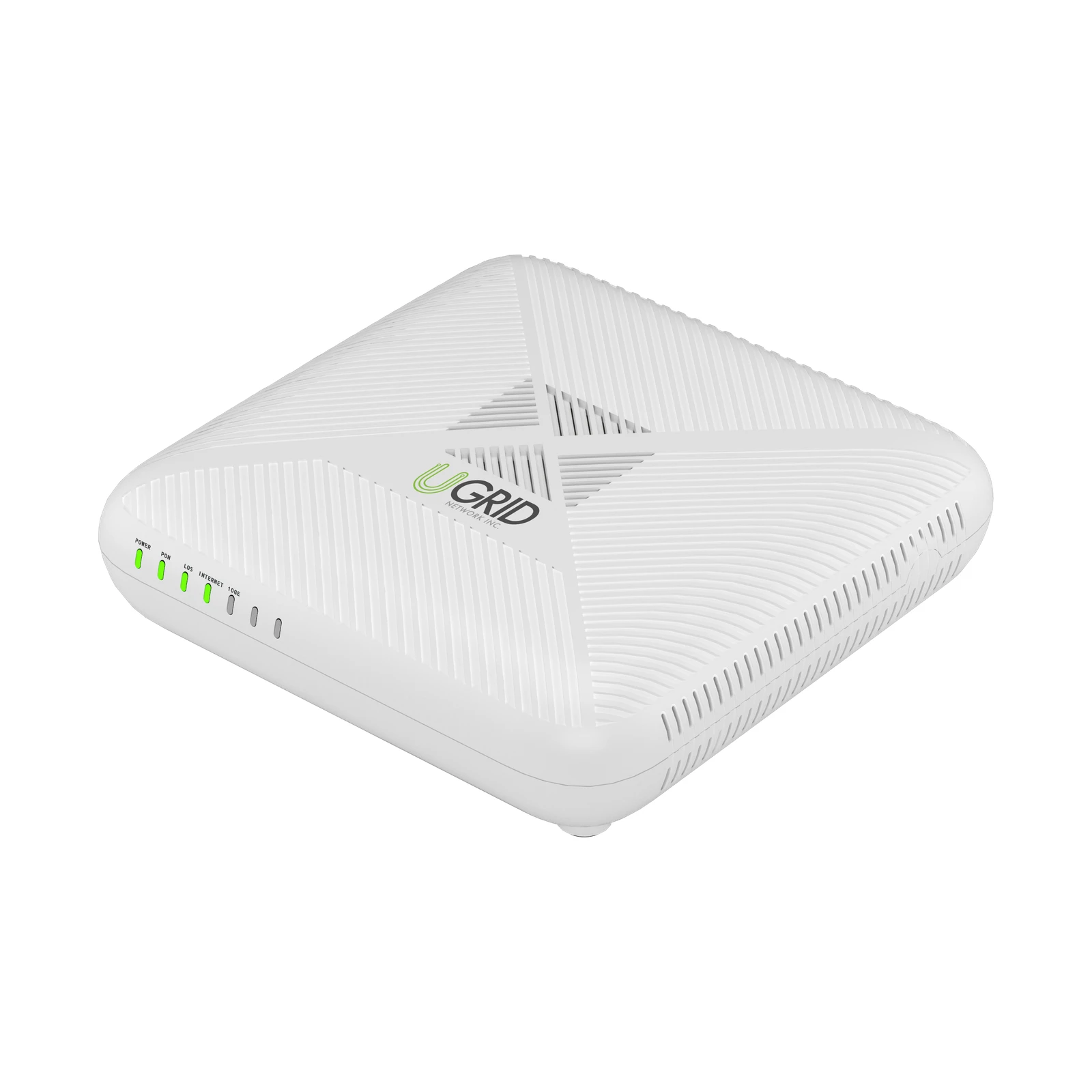
Power over Fiber (PoF) delivers data and DC power over one optical-electric composite cable: the fiber carries the data signal, copper conductors in the same cable carry the power. In UGrid's system, an SP-POF splitter splits the optical signal and injects 54 V DC power, and endpoints such as the uAPAX30H access point run entirely off that cable.
About 30 W per port, with a total supply of ≤60 W on the 4-output models and ≤130 W on the 8-output models. The 54 V DC output is compatible with IEEE 802.3af/at powered devices.
No. The uAPAX30H is powered at 44–57 V DC over the PoF composite cable from the SP-POF splitter and consumes ≤18 W. A 12 V DC local power input is also provided, with an optional external adapter, for sites that prefer local power.
Yes. The SP-POF-1-1-4 (1×5) and SP-POF-1-1-8 (1×9) models add a cascade output port that feeds a further PoF power splitter, which suits floor-by-floor riser designs.
The powered composite-cable stretch runs up to 1,000 m (3,280 ft) from the SP-POF splitter — against the 100 m limit of PoE cabling. Behind the splitter, the backhaul is ordinary PON: the uAPAX30H's XPON optic is rated for 20 km, and the OLT and ODN stay unchanged.
Tell us the building layout, the floors and what the endpoints have to power — our team typically responds within 2 business days.
Request a Quote